Why Current Sets?
Bo and Andrew started their careers in the field.
After watching design quality issues slow down their projects, they started Current Sets to help builders to be more proactive.
What's missing in our industry isn't more technology or bigger promises.
We've been sold the idea that perfect plans will lead to a perfect project, but the reality is that there are so many details that go into a set of construction documents that no single team can catch everything. And even with perfect plans, an inexperienced team will most likely have trouble with project delivery.
Most solutions out there rely on marketing hype, fancy dashboards, or the assumption that if you just throw more software at the problem, it goes away.
It doesn't. What actually works is putting experienced people in a position to do their best work, and giving them tools that make that easier.
That's what Current Sets is built around.
The goal was never just "more reviews"
Plan review isn't new. What's new is how we approach it.
From day one, the goal has been to reduce the time it takes for a field-experienced expert to turn their knowledge into actionable feedback on a set of plans.
Not by cutting corners, but by building better tools. Overlays generated directly from PDF plans. A structured workflow that guides reviewers through the exact intersections where coordination tends to break down.
The idea is simple: let reviewers spend their time thinking, not doing administrative tasks.
Every review makes the next one better
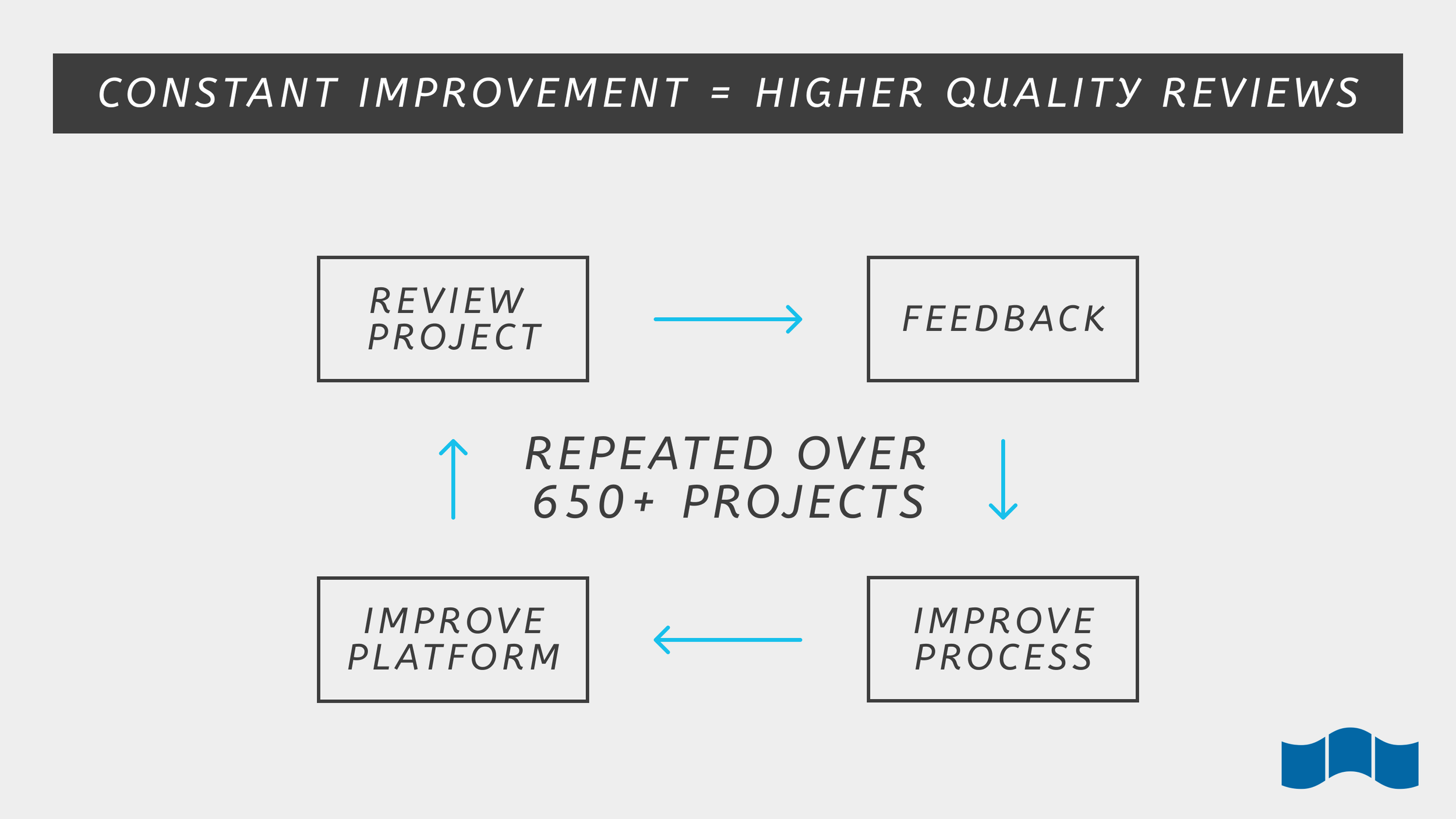
We don't just deliver a report and move on. Every issue we find, every pattern we catch, every near-miss feeds back into our platform. Our checklists evolve. Our overlay tools improve. Our process gets tighter over time.
What that means in practice is that a project coming through today doesn't just get a review. It gets the benefit of 650+ previous reviews, including every lesson, every recurring failure mode, and every edge case we've logged across $25 billion in construction value.
Those platform improvements compound, and human error in the review process drops with each iteration.
The real cost of bad drawings goes way beyond the budget
Everyone talks about the financial impact, and it's real. We've seen single coordination misses turn into six-figure change orders once concrete is poured. Across 14 projects for one repeat client, we estimated between $6 million and $40 million in savings from catching issues during design instead of in the field.
But honestly, the damage goes deeper than the line items.
A missed conflict means an RFI. The schedule slips. The sub who was supposed to start next week now has a gap, or worse, shows up and can't work. The superintendent is on the phone with the architect trying to get an answer that should have been resolved months ago. The PM is repricing a change order instead of actually running the job.
That cycle doesn't just cost money. It burns people out. Field teams lose trust in the documents. Project managers spend their energy fighting fires instead of building. Morale takes a hit, not because anyone did anything wrong, but because the drawings weren't coordinated before they hit the field.
Catching these issues in design, when a fix is just a markup on a PDF, changes the entire trajectory of a project. The budget stays intact. The schedule holds. And the team shows up to a job that actually works the way it's supposed to.
If you want to learn more or get a proposal back on an upcoming project:
reach out to us here: drawings@currentsets.com
fill out the form on our website here: Contact Us
or schedule an intro directly here: Calendly
You're not getting another set of tired eyes
Here's something most people don't think about: the design team has been staring at their own drawings for months. They can't always see what's wrong anymore.
What you get with Current Sets is a team of reviewers who've worked in construction.
They're working inside a platform that's purpose-built to surface the issues that matter, using overlays and tools that handle the tedious comparison work so the expert can focus on the stuff that requires real judgment.
It's a fresh, holistic look at the plans from people who've actually been out there, supported by a system that's been refined across hundreds of projects.
We care about design quality.
Architects are under fee pressure. Engineers are stretched thin. GCs are focused on constructability and pricing, not cross-discipline coordination. Everyone's doing their job, but the job of making sure all the pieces actually fit together often falls through the cracks.
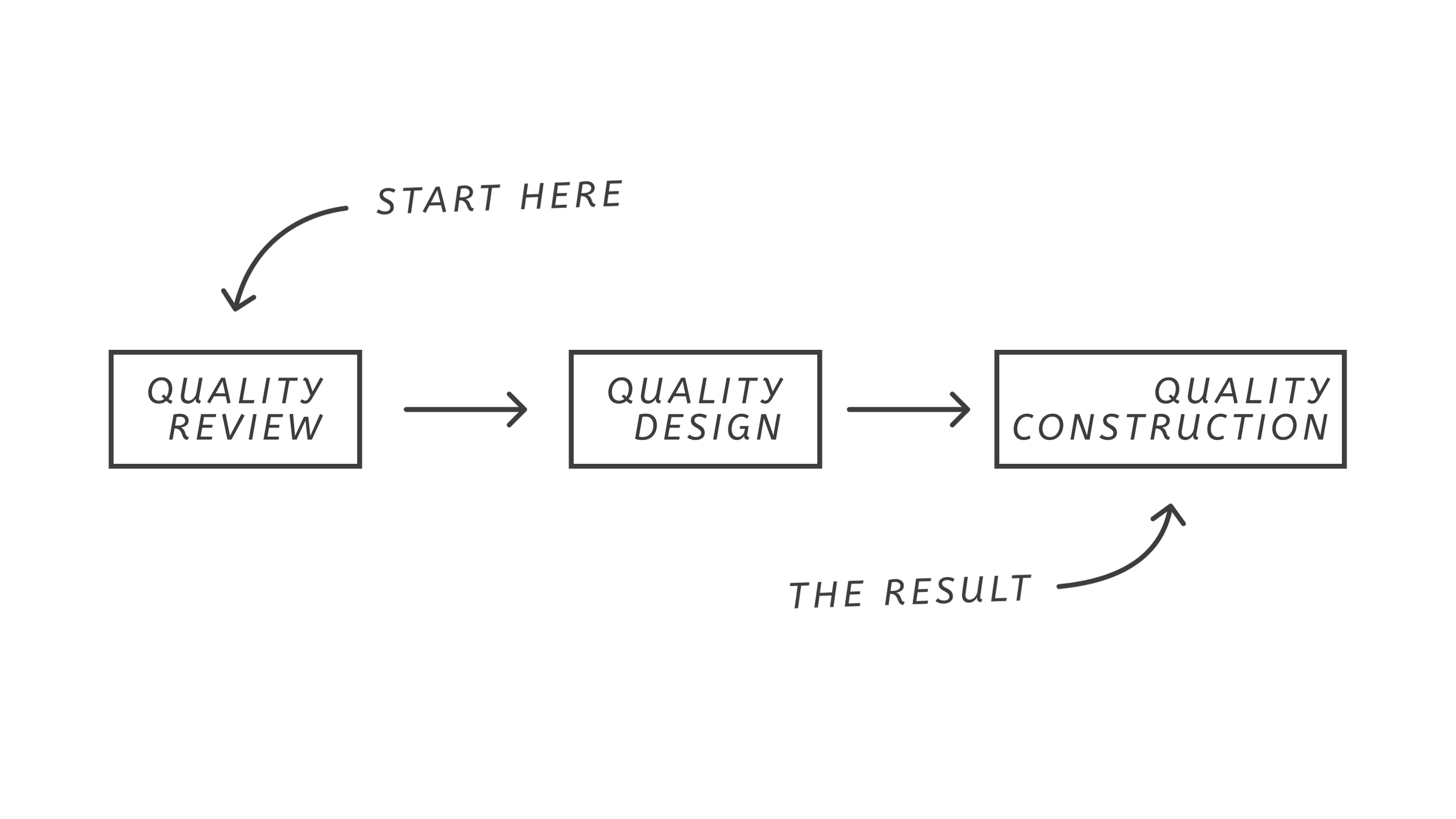
That's the gap we're here to fill. Not with opinions, but with a repeatable process that keeps improving, built on more project data than any single reviewer could ever accumulate on their own.
We're 650 reviews in, and the platform is sharper than it's ever been. We're excited about where it's heading.
Bo and Andrew both started their careers in the field and have since worked on design quality, document control, and software development and automation.
We both are interested in talking to people who are learning about the ways groups are thinking about design quality and the ways their managing that risk.
We’ve now worked across different regions and business models and are interested in learning about how other groups are being innovative and proactive.
Feel free to contact us directly at:
Bo Rhyne: bo@currentsets.com
Andrew Garrett: andrew@currentsets.com
